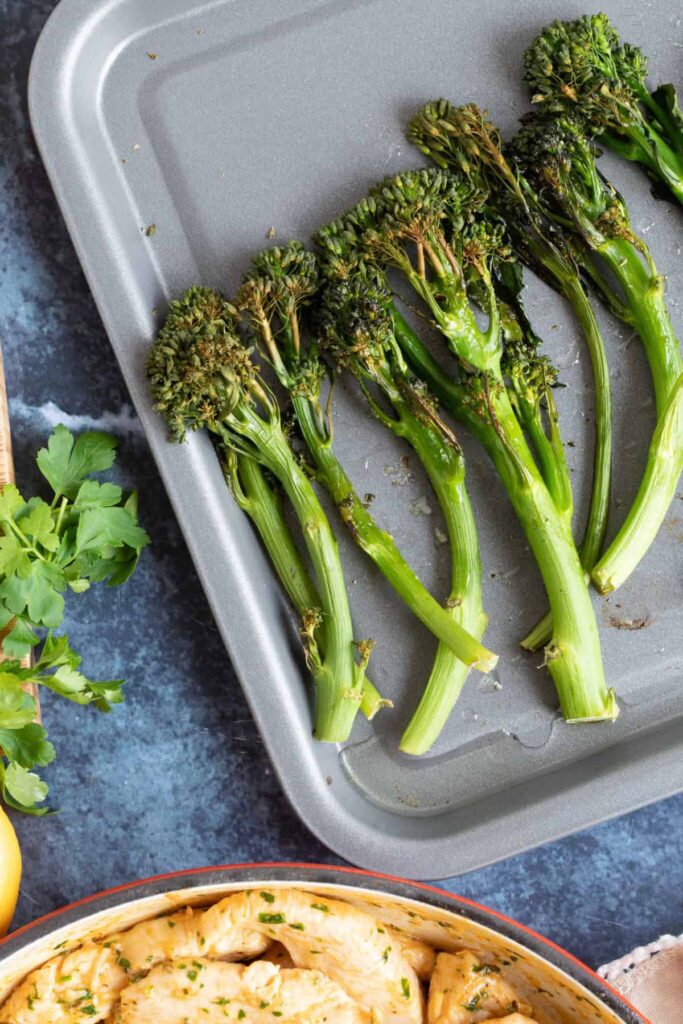
Broccoli is, at least in my opinion, one of the most versatile vegetables in any kitchen, anywhere in the world. It works wonderfully as a quick side (roasted broccoli), a hearty addition to stir-fries (sautéed broccoli), or even in a delicious salad (steamed broccoli).
The best way to get the most from your broccoli is to prepare and cook it in ways that keep its nutrients intact while bringing out its flavour.
And that’s what this blog is about!
All things broccoli! How to prepare it, cook it, store it; and what nutritional values it’s packing.
Enjoy!
All Things Broccoli (gosh I’m creative)
Varieties of Broccoli
Many of you will be surprised to find out that there isn’t just one type of broccoli. Oh no no. The Calabrese Broccoli is probably the type most of you recognise from the supermarkets, with their large florets and thick green stalks. They’re great for steaming, roasting and stir-frying!
But another type, that is a little less common, is the ‘sprouting broccoli’. These have thinner stalks and smaller florets. We actually call them ‘Tenderstem Broccoli’ in the UK (and they’re my favourite for cooking with!).
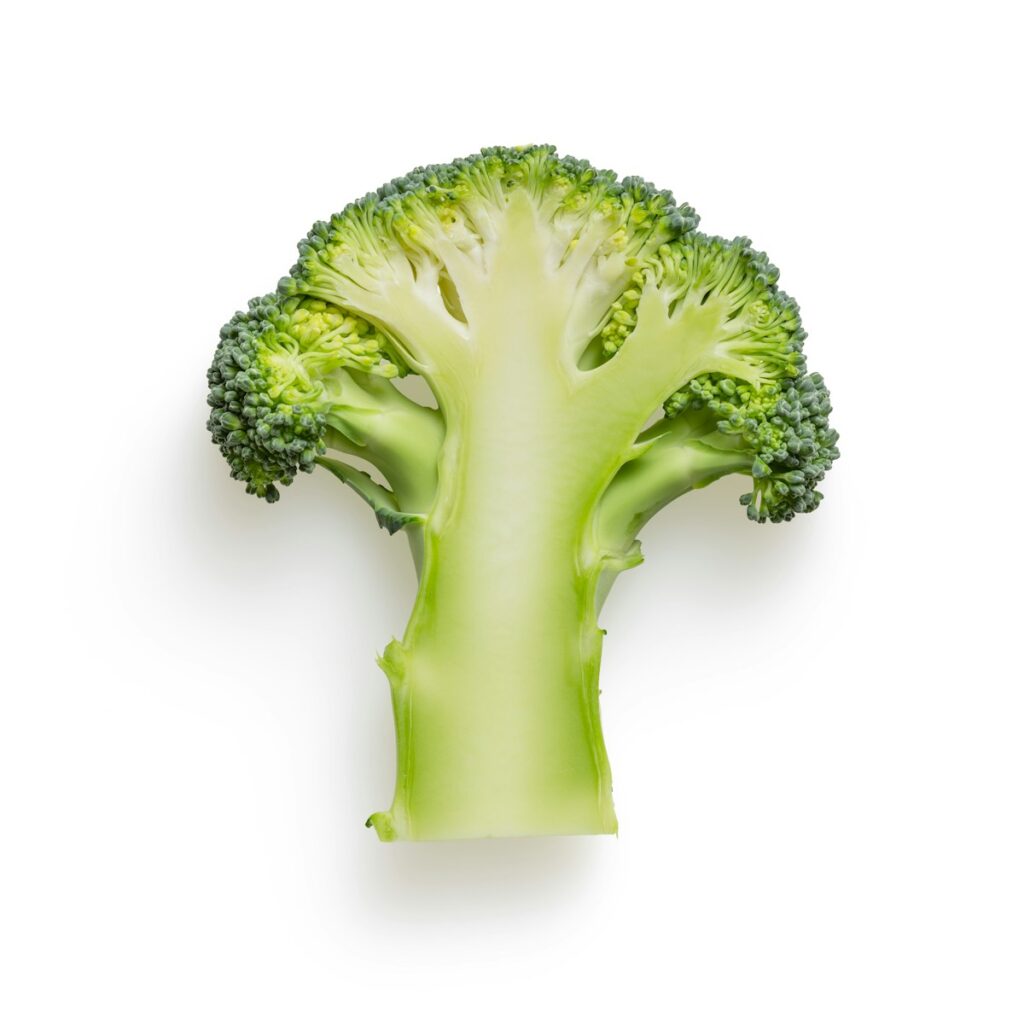
Oh and there’s also broccolini, a sort of hybrid between broccoli and Chinese kale. It has longer stems and smaller florets that make it really tender and quick to cook.
A quick comparison:
| Variety | Key Features | Best Uses |
|---|---|---|
| Calabrese | Large florets, thick stalks | Steaming, roasting |
| Sprouting (Tenderstem) | Thin stalks, small florets | Stir-fries, salads |
| Broccolini | Long stems, mild flavour | Grilling, sautéing |
Broccoli in Global Cuisines
Depending on where you are in the world will have an impact on how your broccoli is prepared and cooked. In Italy, broccoli is often paired with garlic, olive oil and pasta. Dishes like orecchiette with broccoli rabe show how central it is in Mediterranean food traditions.
In Chinese cuisine, broccoli is commonly stir-fried with ginger, soy sauce, along with beef or chicken (I LOVE STIR FRY).
By stir-frying quickly, we keep that lovely broccoli crunch. I also like how it balances savoury sauces with its mild flavour.
In the United States and here in the UK, broccoli is often roasted, baked into casseroles, or served as a side with cheese sauce. It’s also popular raw in salads or crudité platters!
In Indian cooking, broccoli can replace cauliflower beautifully in curries or pakoras.
In Japanese dishes, it’s sometimes blanched and served with sesame dressing.
How to Prepare Broccoli
I think we should all make a conscious effort to make the most out of our broccoli by starting with clean florets, trimming them into even pieces, and using quick cooking steps that both preserve that lovely flavour and those key nutrients.
Paying close attention to these details definitely helps to improve texture and flavour.
Washing Broccoli
I always rinse broccoli under cold running water before cutting it.
Dirt and small insects can hide between the florets (I’ve found this out the hard way on several occasions), so I gently separate them with my fingers to make sure everything is nice and clean.
I then dry the broccoli using a clean tea towel or a salad spinner.
Removing excess water helps to prevent soggy results when roasting or sautéing (no one wants soggy broccoli…). Keeping it dry also helps it stay fresh longer in the fridge!
Cutting Broccoli
I start by trimming off the thick stem end with a sharp knife. Then I separate the florets into smaller, bite-sized pieces by cutting through the stalks rather than the tops.
This keeps the florets intact and avoids, at least in some way, the notorious crumbling of the broccoli.
Oh, and not many people know this, but the stalk of a broccoli is completely edible (as are the leaves).
Peel away the tough outer layer o the stalk with a vegetable peeler. Once peeled, you can then slice the stem into thin rounds or sticks. These pieces cook quickly and taste slightly sweeter than the florets.
To keep cooking times even aim for uniform sizes. If I’m steaming or roasting, I usually cut larger florets into halves or quarters.
Blanching Broccoli
If you want to lock in the bright green colour and crisp texture, definitely blanch broccoli. I bring a large pot of salted water to the boil, then add the florets for 2–3 minutes.
Timing is REALLY important here—too long and the broccoli becomes mushy. As soon as the broccoli is just tender, transfer it to a ready-made-bowl of ice water.
By throwing the broccoli into the freezing water, it stops the cooking process immediately and helps preserve nutrients. After a few minutes, drain thoroughly.
Blanched broccoli works well for freezing, meal prep, or as a base for stir-fries and salads!
How to Cook Broccoli
You can choose to reach this section here – or, you can go to THIS dedicated article about how to cook broccoli perfectly every time (whether or not you want to roast, steam, boil or fry it!)
Steaming Broccoli
Can you steam broccoli? Of course you can!
Steaming is one of my favourite methods because it keeps the broccoli crisp and bright green.
To steam broccoli, simply add a small amount of water to a pot, bring it to a boil, and place a steaming basket above the waterline (video below!).
The florets usually take about 5–7 minutes to become tender (but not mushy).
You can check them with a fork (they should pierce easily but still hold their shape).
Avoid overcooking because it dulls that wonderful green colour and reduces the nutrient values.
TOP TIP: A quick squeeze of lemon or a light sprinkle of salt after steaming makes it taste fresh without needing much else.
Boiling Broccoli
Can you boil broccoli? Again, yes!
When boiling broccoli, you need to keep the cooking time really short (between 2-4 minutes depending on the size). Leaving them in too long makes them lose flavour and become soft.
Simply bring a pot of salted water to a rolling boil and add the florets.
To stop the cooking quickly and prevent any unwanted soggyness(?), I usually drain them and plunge them into a bowl of ice water. This keeps the colour vibrant and prevents them from going limp. I’ll generally leave them in the cold/icy water for around 30-45 seconds and then place them in a colander to drain.
Oven Roasting Broccoli
Can you roast broccoli? In my opinion, it’s the best way (so yes!).
Roasting brings out the natural sweetness hidden away in broccoli and gives the edges a lovely crispy texture.
Here’s how to oven roast your broccoli…
Preheat the oven to 200°C (400°F) and toss the florets with some olive oil, salt, and pepper (feel free to be even more adventurous here – I add nutritional yeast!
Spread the florets out on a baking tray in a single layer. The single layer is important. Crowding them makes them essentially steam instead of roast.
After about 20–25 minutes, they turn golden brown with slightly charred tips.
Roasted broccoli works well as a side dish or even tossed into salads (or, as I do most nights, just plate up an entire bowl of crispy oven baked broccoli and eat it on its own!).
Frying Broccoli
Can you fry broccoli? Yes!
When I fry broccoli, I usually sauté it rather than deep-fry. I heat a tablespoon or so of olive oil in a pan, add a little garlic for flavour, and then toss in the florets.
They usually cook in around 4–6 minutes, staying tender with just a little crunch.
TOP TIP: For stir-fries, I cut the florets smaller so they cook quickly alongside other vegetables.
Nutritional Benefits of Broccoli
Broccoli offers a wide mix of nutrients that support pretty much everything from bone strength to heart function.
This – in my opinion – super vegetable, is rich in vitamins, minerals, antioxidants, and fibre – which all play specific roles in keeping my body healthy.
Broccoli’s Vitamins and Minerals
Broccoli provides a strong dose of vitamin C, which helps our immune system and supports collagen production for skin and tissues. A single cup can give you nearly half of your daily vitamin C needs.
It’s also a fantastic source of vitamin K, which is important for blood clotting and bone health. Just one serving can cover most of your daily requirement.
Broccoli also contains folate, which supports cell growth and is particularly important during pregnancy. Alongside this, you get potassium for healthy blood pressure regulation and calcium for bone support.
Here’s a quick look at what you get from about 80 g of broccoli (a typical ‘serving’):
| Nutrient | Amount | % Daily Needs (approx.) |
|---|---|---|
| Vitamin C | 40 mg | 45–54% |
| Vitamin K | 77 mcg | 64–86% |
| Folate | 49 mcg | 12% |
| Potassium | 230 mg | 5% |
| Calcium | 35 mg | 3% |
Antioxidants and Sulforaphane in Broccoli
Broccoli is LOADED with antioxidants. These protect your cells from the daily wear and tear caused by ‘free radicals’.
One of the standout compounds is ‘sulforaphane‘, a sulphur-based substance you’ll find in many cruciferous veggies. Researchers have looked at sulforaphane for its potential to reduce inflammation and boost heart health (for the nerds out there…).
There’s also some evidence it helps the body handle blood sugar, which is handy for folks managing type 2 diabetes (but do liaise with your doctor / nutritionist!).
On top of that, beta-carotene in broccoli gives a nice bump to your vitamin A intake. That’s key for vision and keeping your immune system humming along.
Broccoli, Fibre and Digestive Health
I’m pretty obsessed with my fibre intake, and count on broccoli for a good dose of dietary fibre. It definitely helps keep things regular and staves off constipation.
Just one cup gives you roughly 2 g of fibre, which gets me closer to that 25–30 g daily goal. Fibre also has the added benefit of helping even out blood sugar and feeds the good bacteria in your gut.
Honestly, I just feel so much more ‘balanced’ with fibre-rich foods like broccoli in my diet.
For me, broccoli is an easy, low-calorie way to sneak in more protective fibre. That’s a win in my book!
Broccoli Health Benefits for All Ages
I really think broccoli fits for just about everyone (I’m sure, as with anything, there are exceptions…).
For kids, the vitamin C and folate help with growth and immune strength.
Adults get a boost from its potassium and fibre for heart health.
Older folks out there benefit from the calcium and vitamin K – both important for bones and lowering osteoporosis risk.
How to Store Fresh Broccoli
When shopping for broccoli, pay attention to the look and feel. This is pretty much all you need to consider! (and this is why I never order it online – they always give me the worst broccoli they have in store… not naming any names).
Selecting Fresh Broccoli
This may seem a bit overkill, but trust me, getting the right broccoli is important!
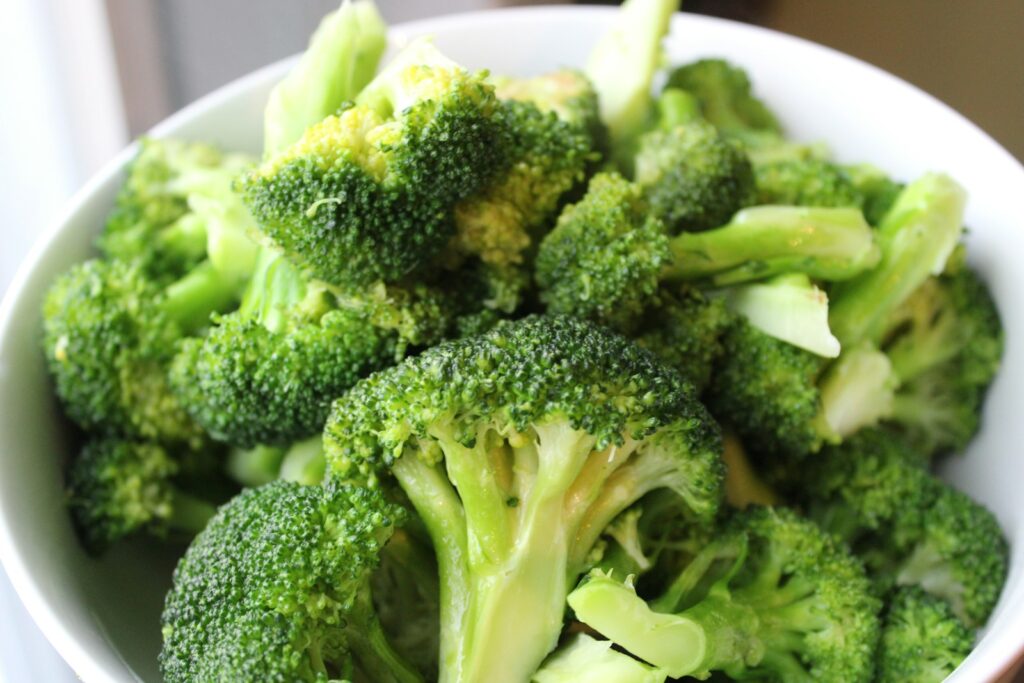
Your first move should be to check for a firm stalk and tightly packed florets. If the stalk is very soft and flexible, put that broccoli down…
The colour should be a rich, deep green—sometimes there’s even a blueish tint (which is fine).
The florets should bounce back when pressed. Mushy or soft? That’s also a no from me!
Here’s my quick checklist:
- Florets: Tight, dark green, no yellowing
- Stalk: Firm, not woody or cracked
- Smell: Fresh and mild, never strong or sour
How to Store Broccoli
I NEVER wash broccoli before storing—moisture just invites mould. Keep it dry and stash it in the fridge as soon as you get home.
A well selected broccoli will usually lasts three to five days in the fridge, potentially even a bit longer. Don’t throw away good broccoli, just check for ‘freshness’ (as above)!
Freezing Broccoli
When I’ve got more broccoli than I can possibly eat in a few days, I just freeze it.
First, ALWAYS blanch the florets—boil them for about 3 to 4 minutes, then toss them straight into ice water.
This really helps keep the colour bright and the flavour decent, plus the texture doesn’t get too weird.
After that, dry everything as best you can.
Then, spread the florets out on a tray so they freeze separately. As cool as it sounds, no one wants a frozen brick of broccoli, right?
Once they’re solid, transfer them into a freezer bag. Frozen broccoli will last a good 8 to 12 months and should cook well after (if you blanch them).
My Favourite Broccoli-Heavy Recipes…
I must start off with my very own Sticky Gochujang Tofu. This recipe is a personal favourite and one I return on a weekly basis.

Roasted Tenderstem Broccoli is another favourite of mine, and this simply recipe by Effortless Foodie is wonderful!